Cruise Ship Turbines

Gas Turbines Installed In The Ships Funnel Island Princess Princess Cruise Lines Stock Photo Alamy
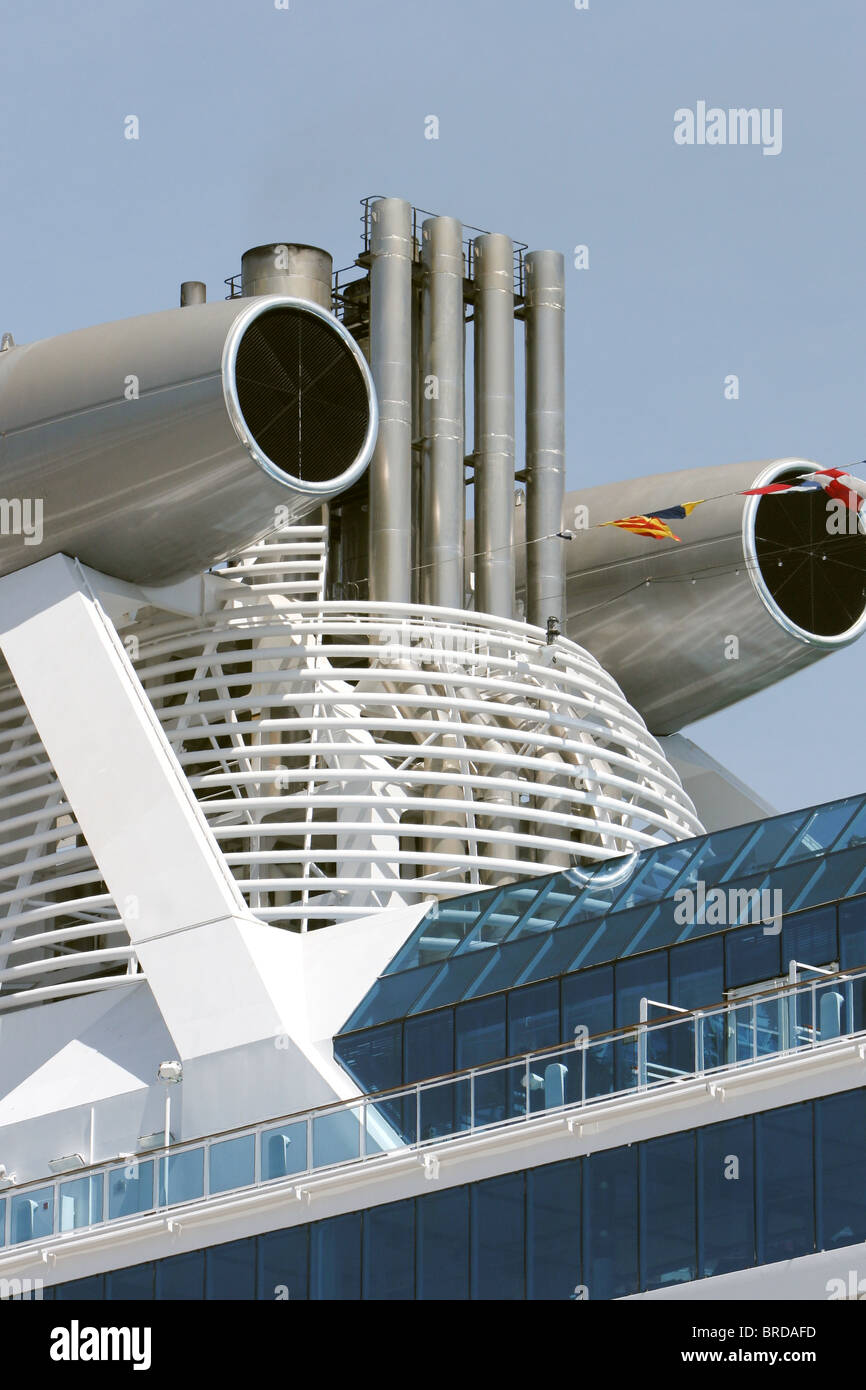
Gas Turbines Installed In The Ships Funnel Island Princess Princess Cruise Lines Stock Photo Alamy
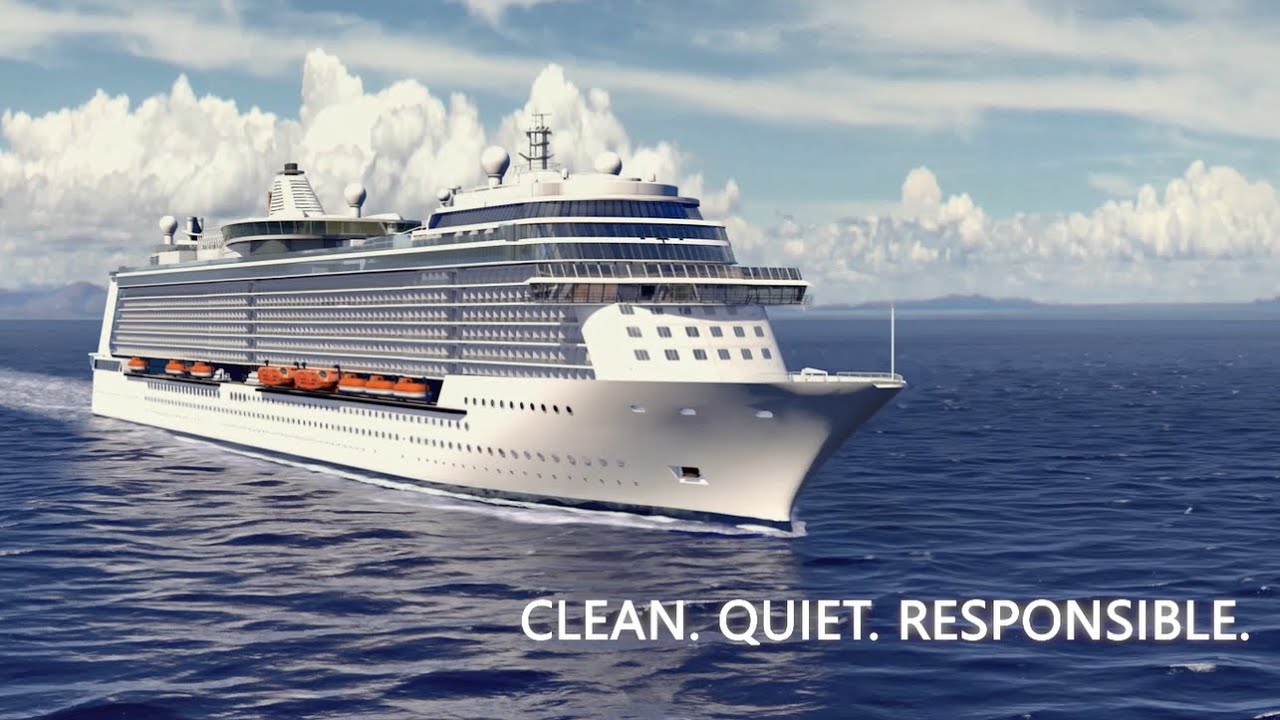
Gas Turbines For Cruise Ships Youtube
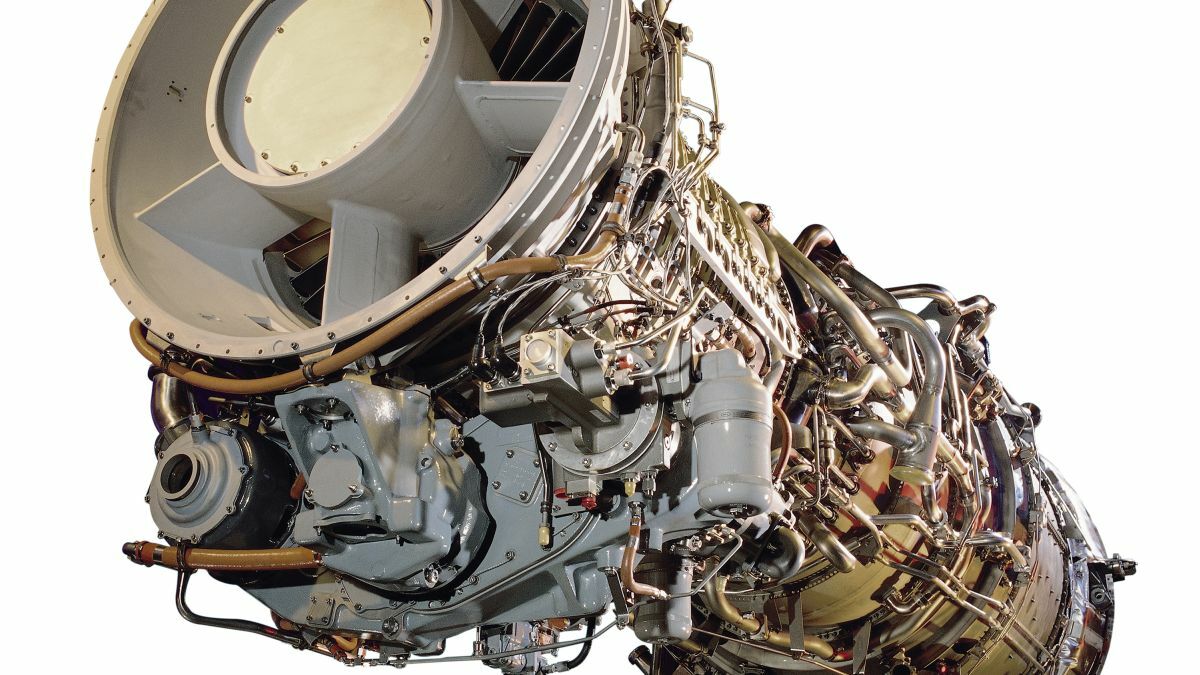
Riviera News Content Hub Gas Turbines A Viable Alternative To Piston Engines

Infographic How To Achieve 25 Energy Savings In Cruise Ships Safety4sea

The Ocean Liner Ss United States Part 4 The Cruise Ship As Successor
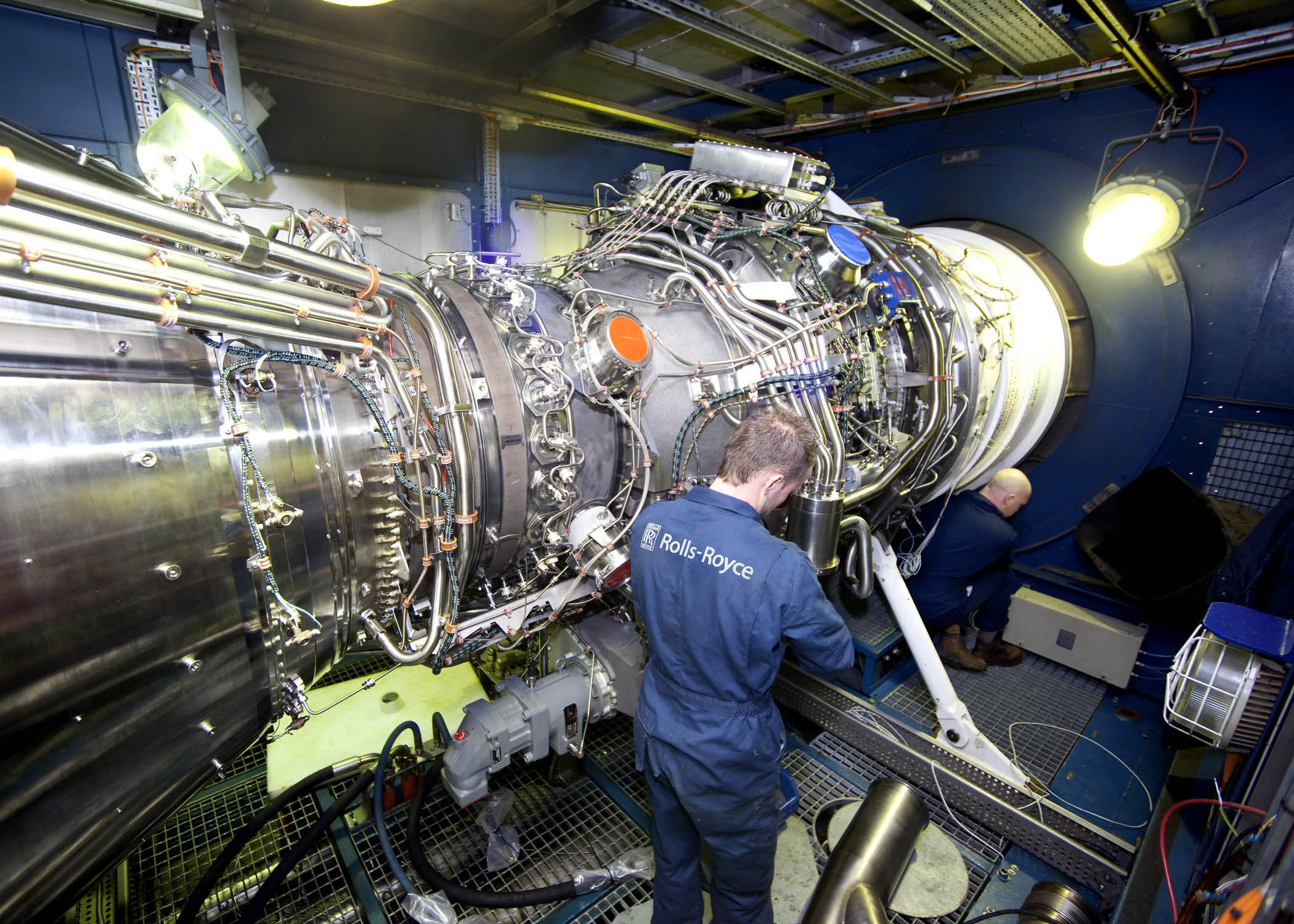
The three ships -- Serenade of the Seas Island Princess and Oosterdam -- each.
Cruise ship turbines. Gas turbine engines -- Coral Princess unique gas turbinediesel enviro-engine combination has proven to be both highly efficient and environmentally sound creating lower exhaust emissions and. Heat recovery systems use exhaust gases to power turbines and generate extra power from otherwise wasted energy. The turbines lack of noise and space saving design make them idea for use on large cruise ships where they can be placed in tight spaces far from passenger cabins.
The in-service performance of the combined gas turbine electric and steam system COGES will be discussed further in this paper. The in-service performance of the combined gas turbine. However the grade of fuel needed for these gas turbines.
Gas turbines are a relatively new cruise ship power system but they will probably be used more frequently. The ship can sail for three hours with the power from the batteries. GE Turbines implemented in cruise ships in the 21.
How Are Engines Stored on a Cruise Ship. Lithium-ion batteries will enable the ship to. Gas turbine ship engines are the wave of the future.
Further cruise ships found another advantage in the combined gas turbine electric and steam COGES plant because this system yields a much better power density than standard diesel gensets. Some warships and a few modern cruise ships have also used steam turbines to improve the efficiency of their gas turbines in a combined cycle where waste heat from a gas turbine exhaust is utilized to boil water and create steam for driving a steam turbine. As the first hybrid-electric powered cruise ship MS Roald Amundsen from Norwegian shipping company Hurtigruten was introduced in 2019.
The other Princess Cruises vessels that will feature the GE LM2500 gas turbine in a CODAG arrangement include the Diamond Princess February 2004 and Sapphire Princess May 2004. Some larger ships rely on two different power sources. Tons of power in very little space.

A Large Cruise Ship Passes Offshore Wind Turbines Near The Oresund Bridge Between Denmark And Sweden Stock Photo Image Of Grid Baltic 144811194

The Motorship Could Turbines Turn Again For Cruise
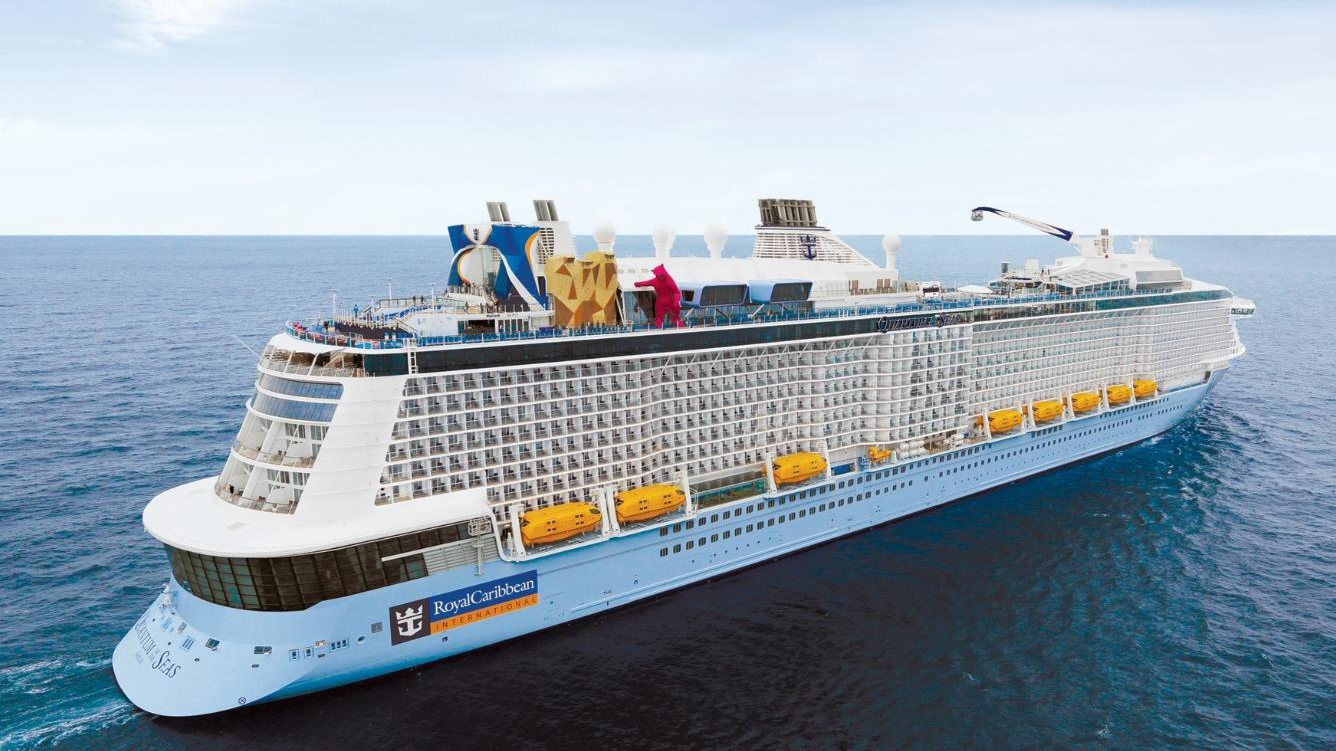
Cruise Ships Cutting Edge Energy Efficiency
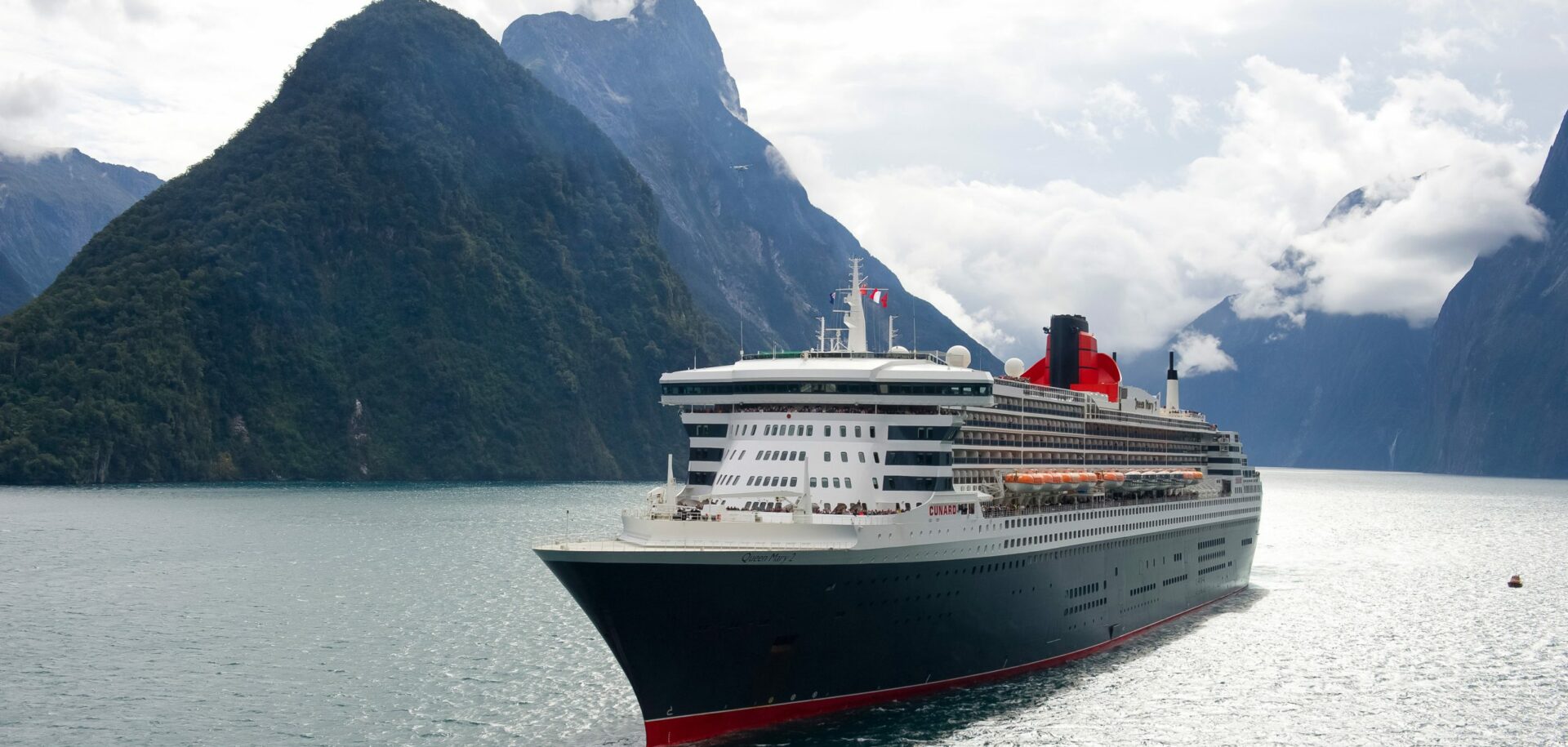
Innovative Ship Propulsion Design
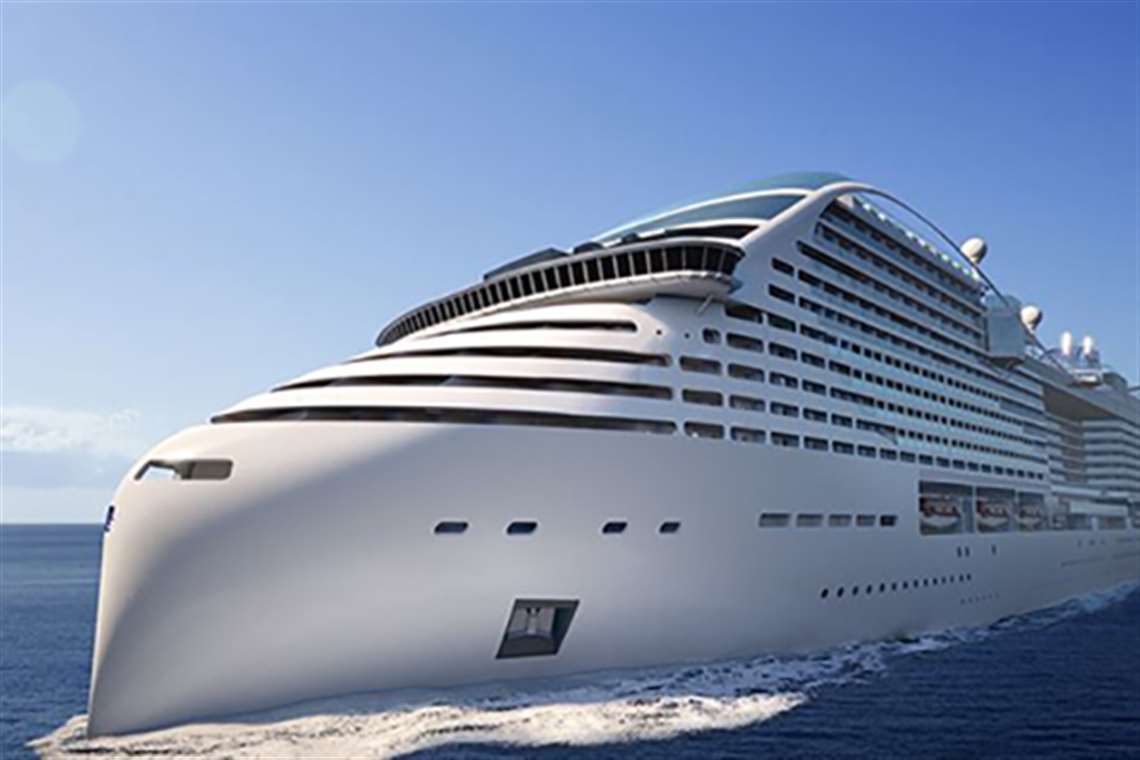
Wartsila Powering New Cruise Ships Diesel Gas Turbine Worldwide
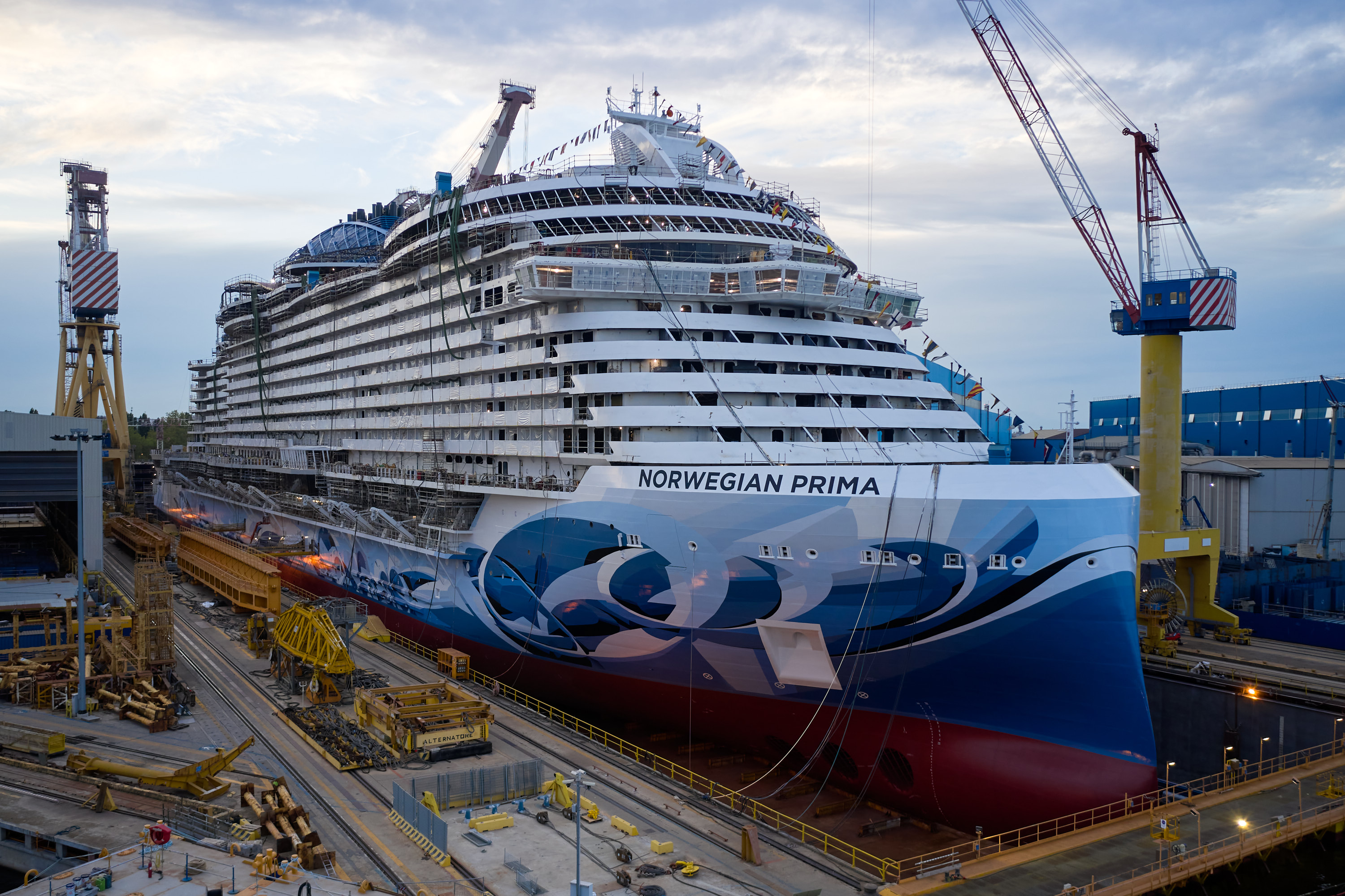
Ncl S Lead Prima Class Cruise Ship Launched In Italy Offshore Energy
Commercial Use Of Marine Gas Turbines Naval Historical Foundation
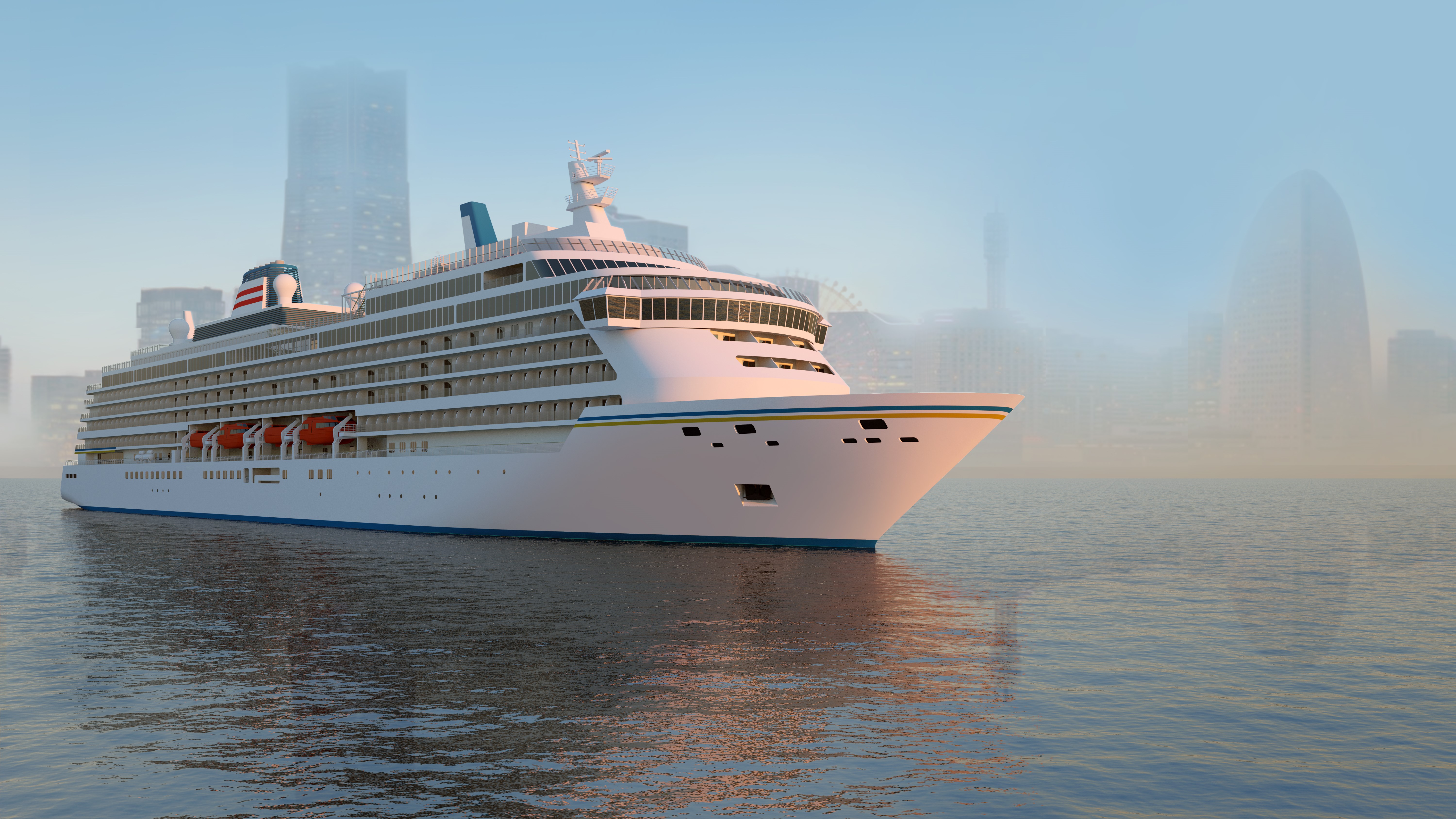
Meyer Werft Wins Rare Cruise Ship Order From Japan Offshore Energy

Atlantic Star Cruise Ship Wikiwand
Do Some Cruise Ships Have Aircraft Engines To Provide More Electricity Quora

The Visual Dictionary Of Transportation By The Manager Issuu
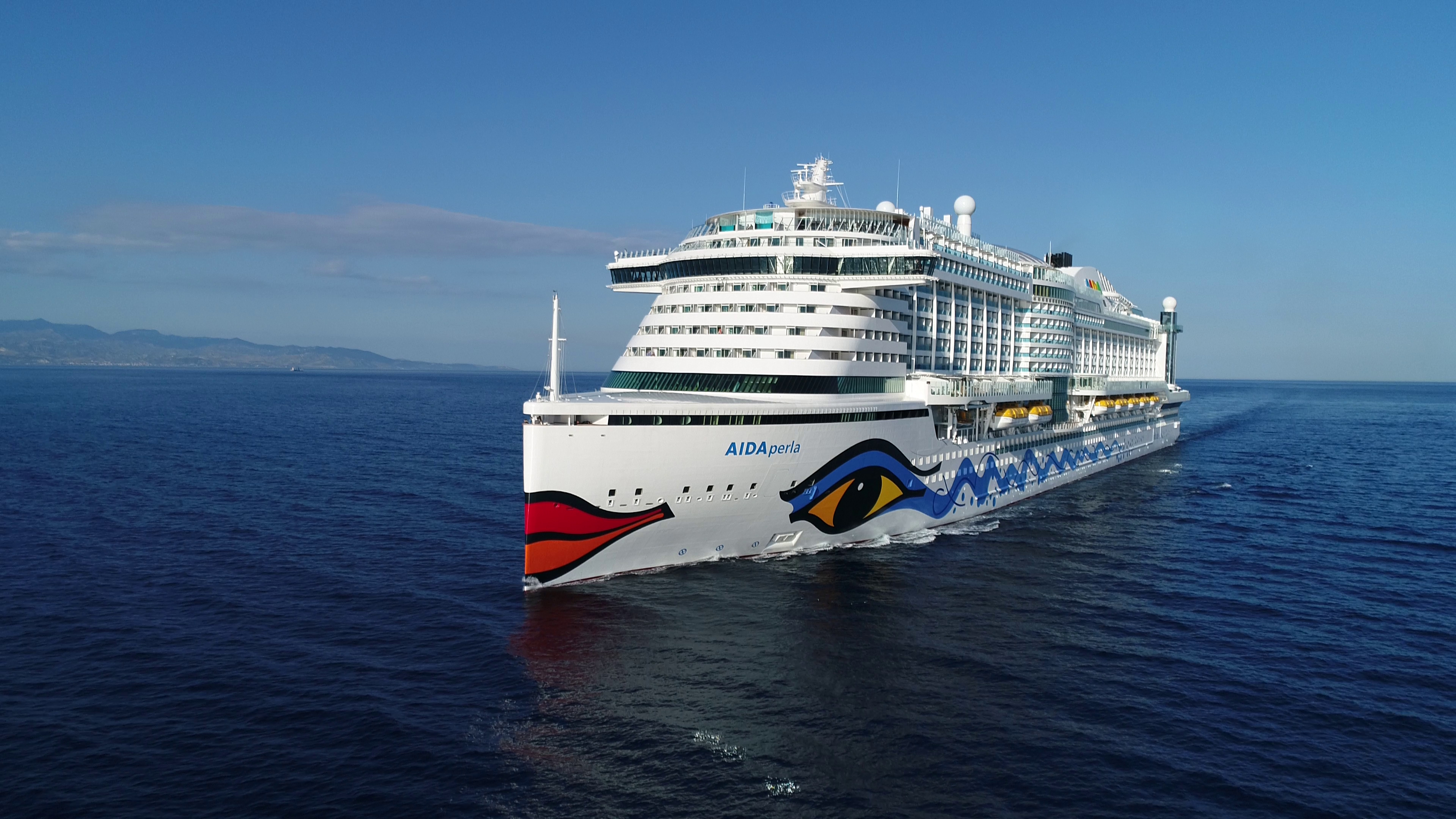
Corvus Energy Signs Final Contract With Aida Cruises For The Largest Battery Pack Ever Delivered To A Ship Corvus Energy

Mvw Global Class 2 Evac
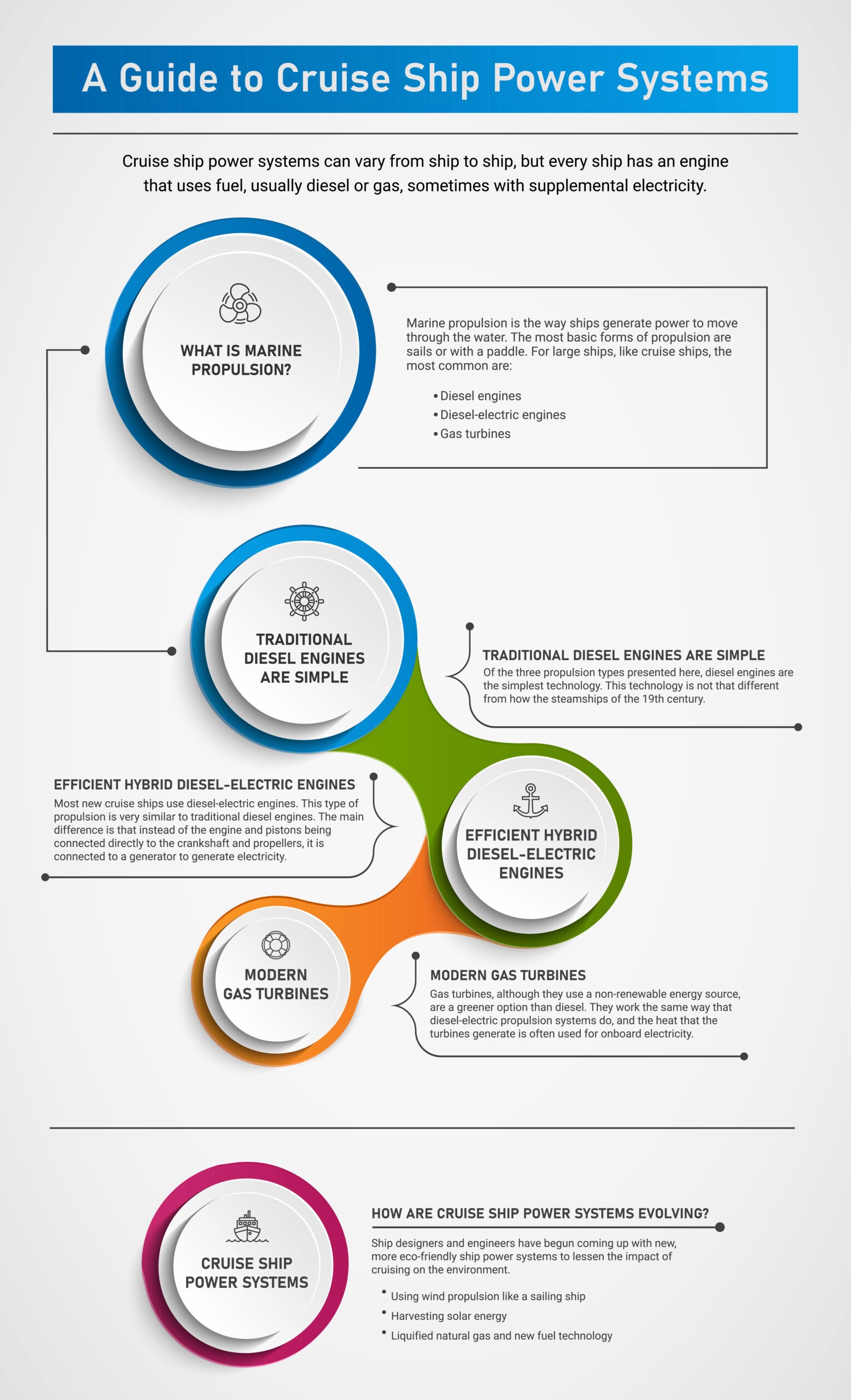
A Guide To Cruise Ship Power Systems

