How Do Cruise Ships Generate Electricity
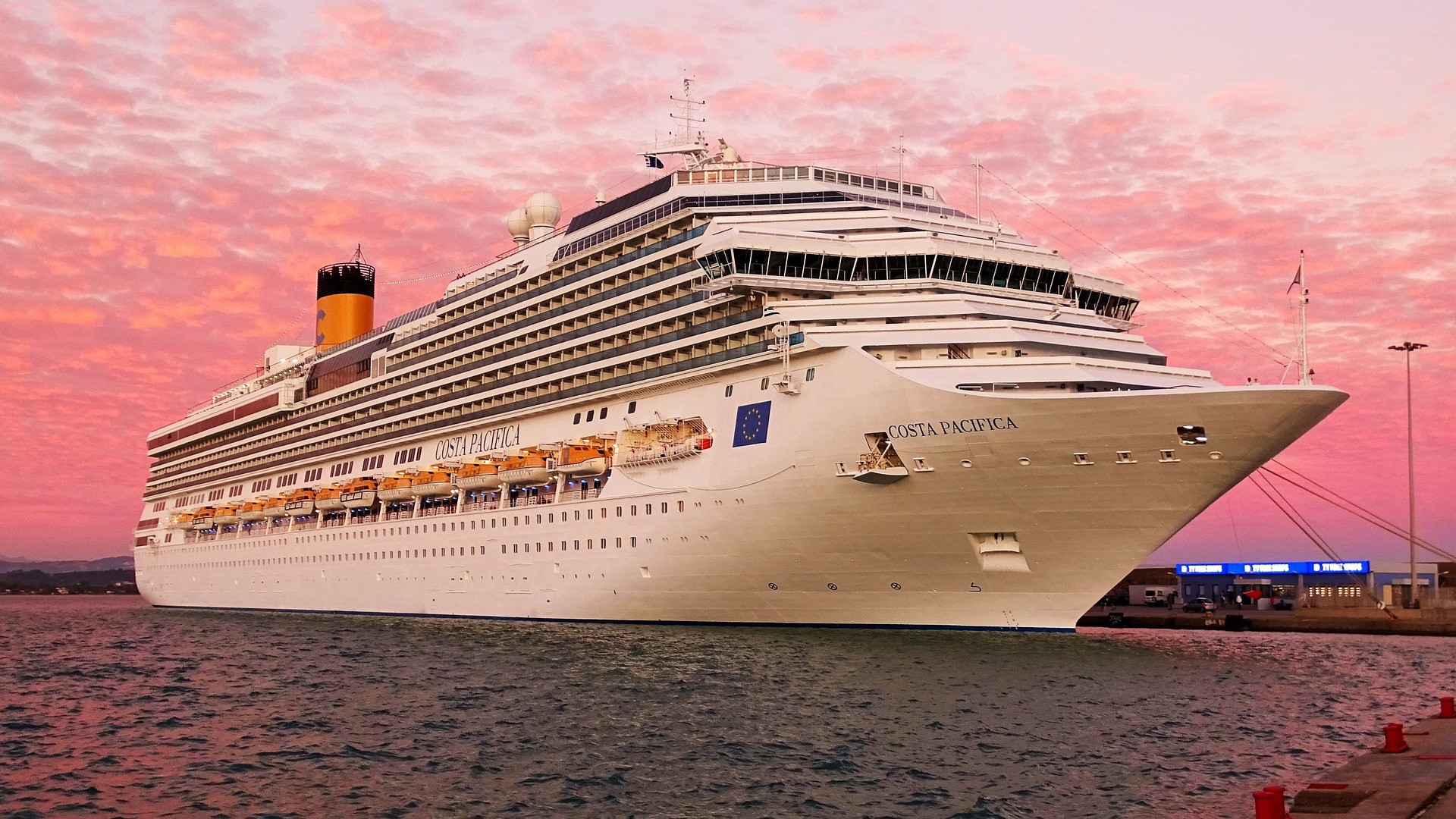
A Guide To Cruise Ship Power Systems
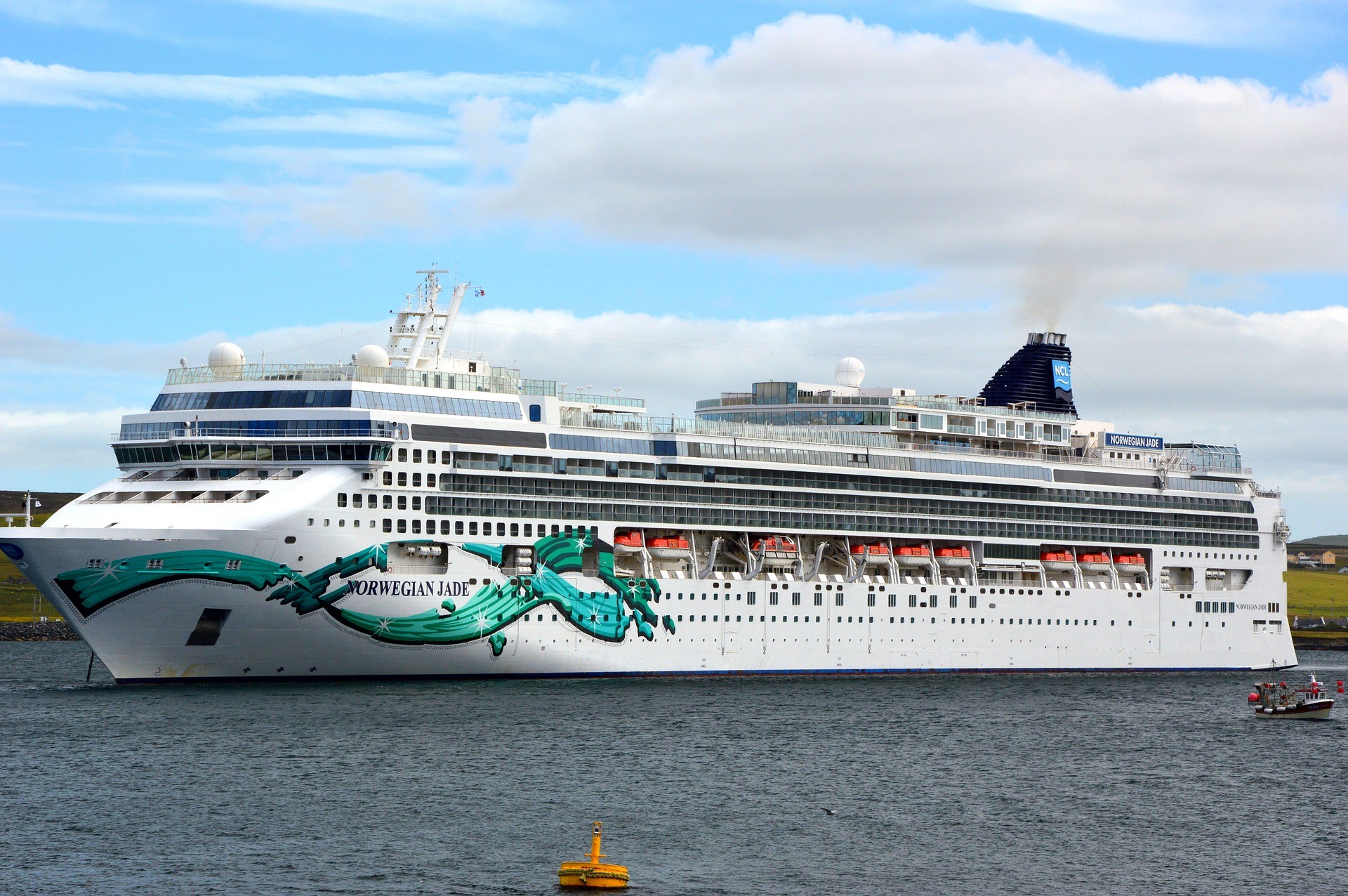
A Guide To Cruise Ship Power Systems
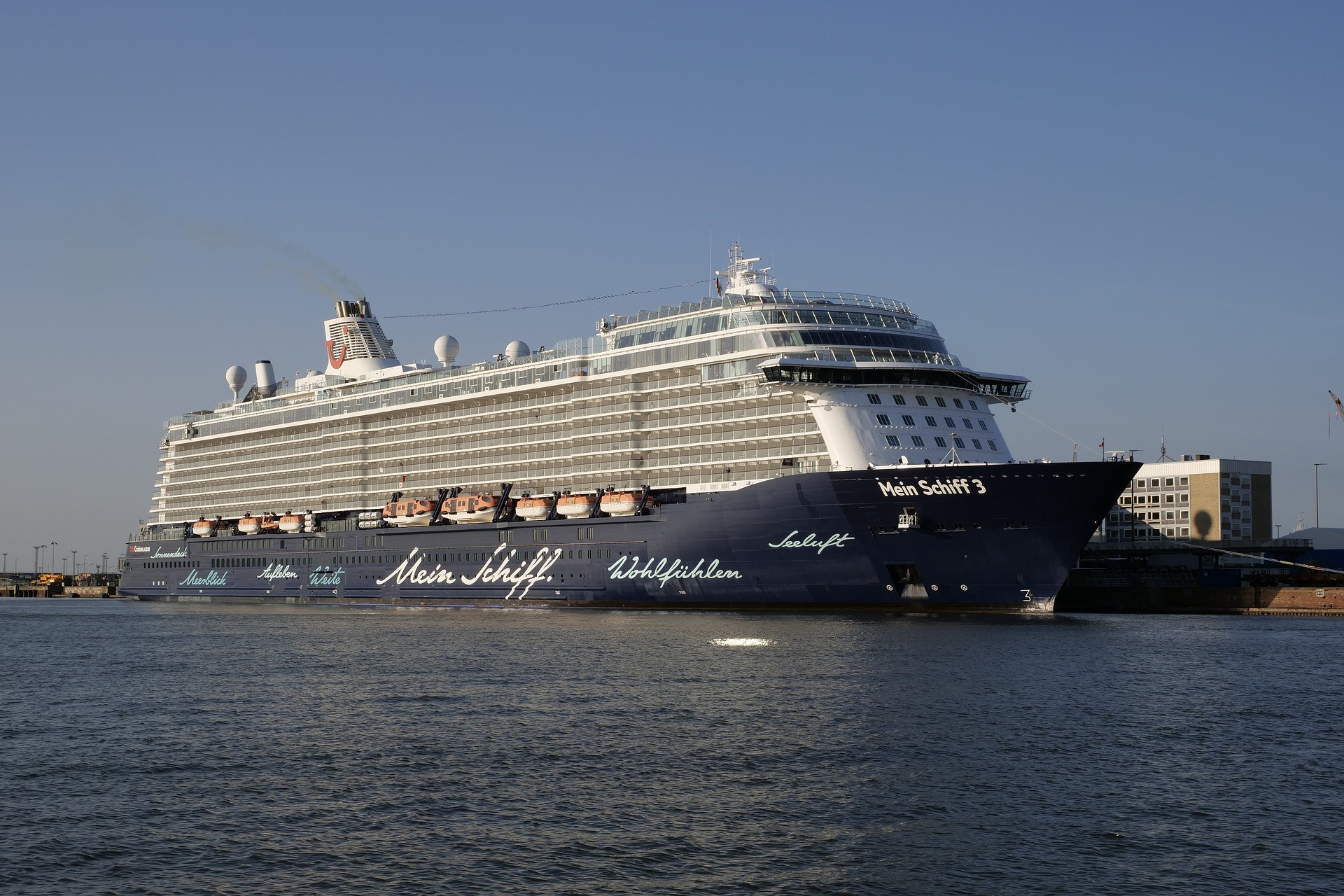
A Guide To Cruise Ship Power Systems
This Is How Cruise Ships Work

How Do Cruise Ships Work Cruise1st Blog

Cruise Ships In Bad Weather Heavy Seas In Storm Cruise Cruise Ship Rough Seas

Electric propulsion or vessels with large consumption of electricity due to large number of passengers.
How do cruise ships generate electricity. When adding solar panels to a cruise ship the power thats produced helps cut down on the overall carbon dioxide emissions of the ship. Electricity on ships is generated by an alternator or generator. The use of LNG is likely to be a huge differentiator between companies in years to come.
On diesel electric ships the main engines are connected to the main generators. Solar panels can light the entertainment areas and even rooms for guests. In shore we use 3-phase 4-wire systems in which 3 wires are representing each phase and 4th wire is neutral which carries the return current.
A vessel like Royal Caribbeans Symphony of the Seas is longer than 12 blue whales. If youve ever seen one in action youll understand why. For this purpose an alternating current generator is used on board.
Diesel-electric cruise ship engine. Under normal condition 440 V supply is taken from ER Main Switchboard through a Circuit Breaker. But for several years many ships have been partly electrified.
Modern cruise ships use either gas turbine or diesel electric engines as their power source for propulsion as well as for the ships systems. By comparing the expected load for the different ship operating conditions the number and rating of the main generators can be assessed. On these ships main engines are not connected to propeller shafts and instead of it they are directly connected to big generators in order to produce electricity which is sent in turn to electric motors that then power and help turn the propellers.
By applying the demand factor to each load kW and kvars and summing all loads for specific operating conditions the expected generator kilowatts kilovoltamps and power factor can be computed. Even highly efficient propulsion systems such as the one used in the Freedom of the Seas burn about 4200 litres of fuel per hour. Cruise ships require a lot of energy both for moving through water and for ancillary services ie.

Pin On Ocean Liner Models
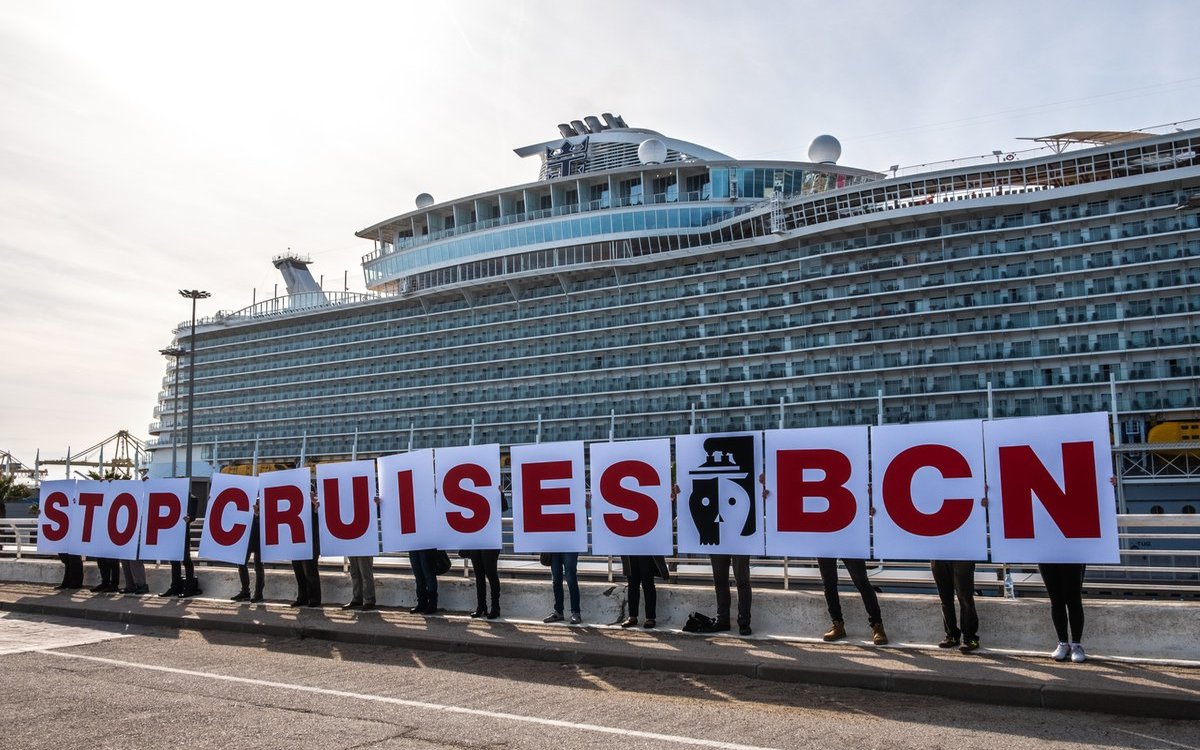
First Gas Powered Cruise Ship Is Not Sustainable Tourism Campaigning For Cleaner Transport In Europe Transport Environment

100 Engine Ship Part 1 Roblox Cruise Ship Tycoon Youtube
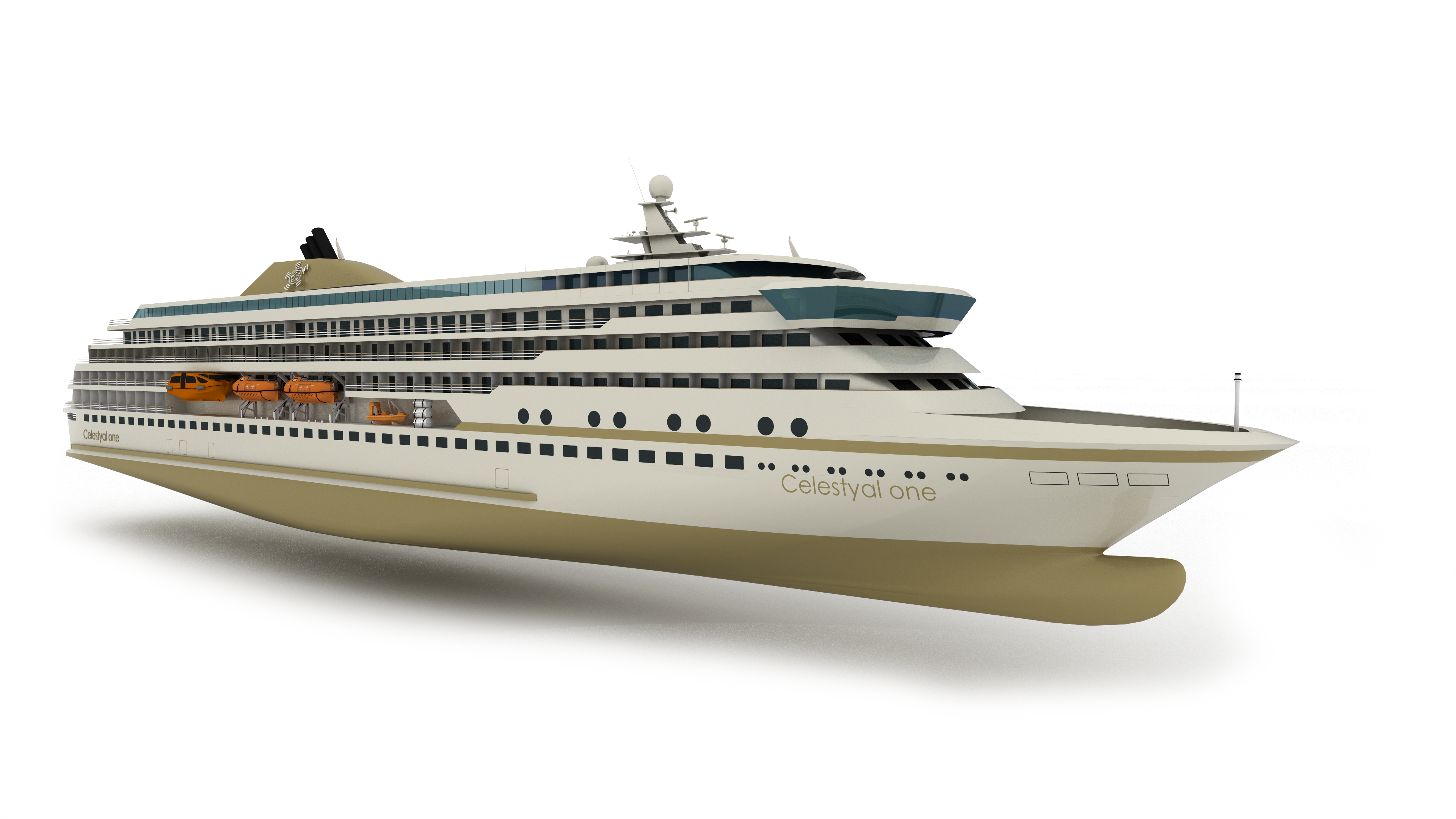
800 Passenger Cruise Vessel For Celestyal Cruise Knud E Hansen

The P O Cunard And Viking Cruise Ship Based Jobs Available As International Cruising Slowly Returns Hampshirelive
Icon Class Cruise Ship Royal Caribbean Cruise
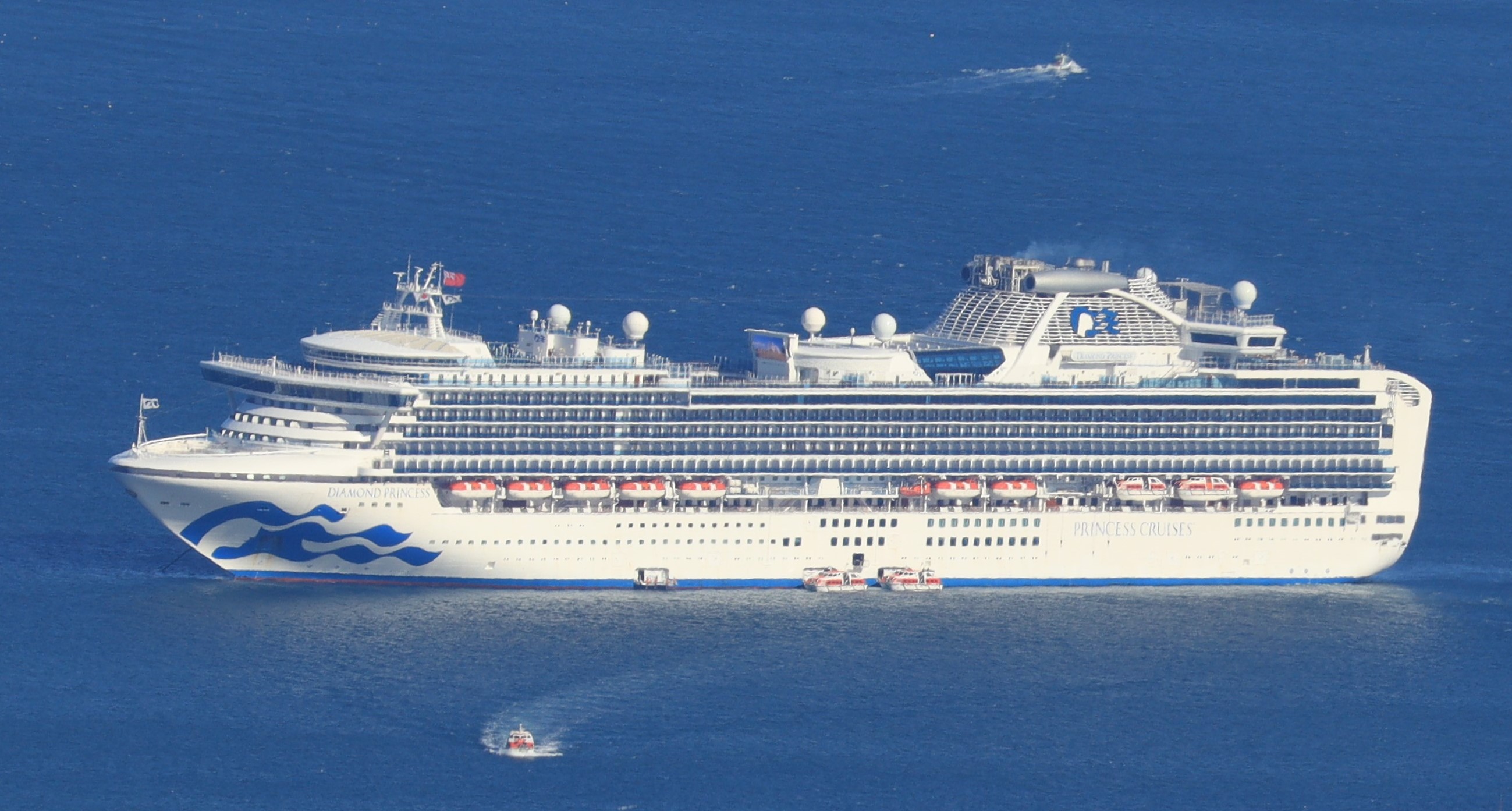
Diamond Princess Wikipedia Bahasa Indonesia Ensiklopedia Bebas
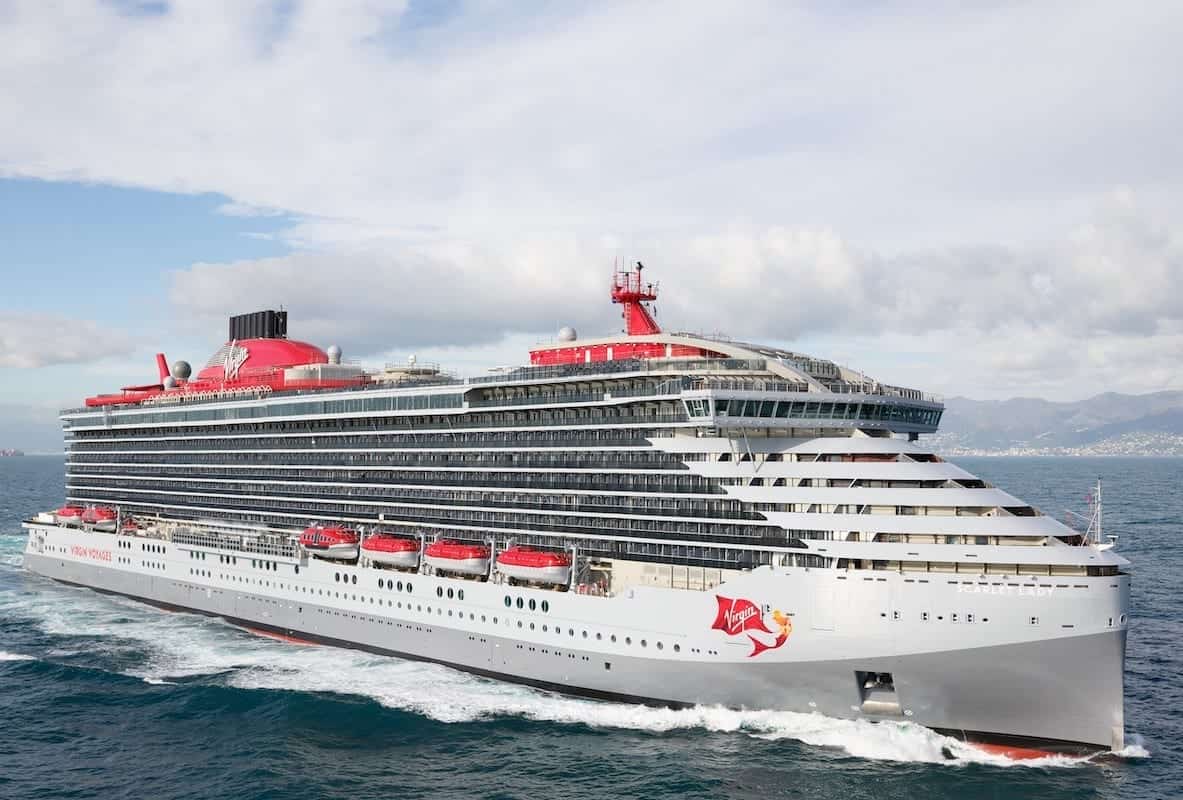
Virgin Voyages Welcomes Their First Cruise Ship Scarlet Lady

Norwegian Joy Cruise Ship Ship Technology
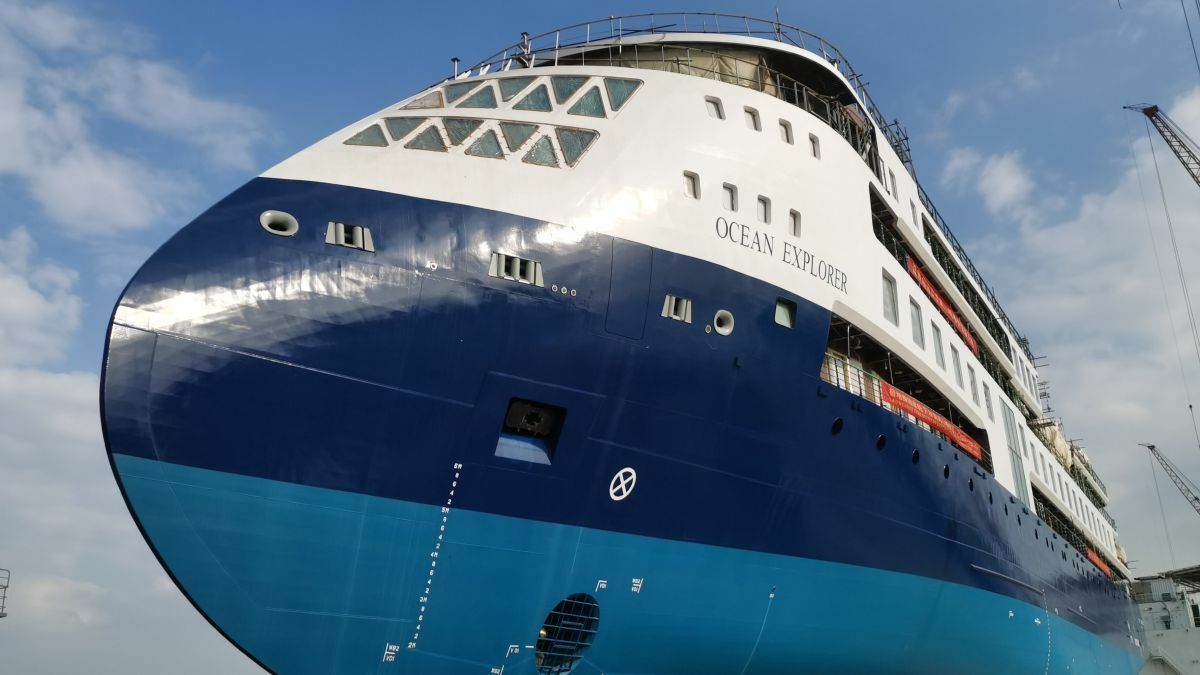
Riviera News Content Hub Infinity Class Cruise Ships Smoother Sailing Deeper Exploration

Carnival Panorama Wikipedia
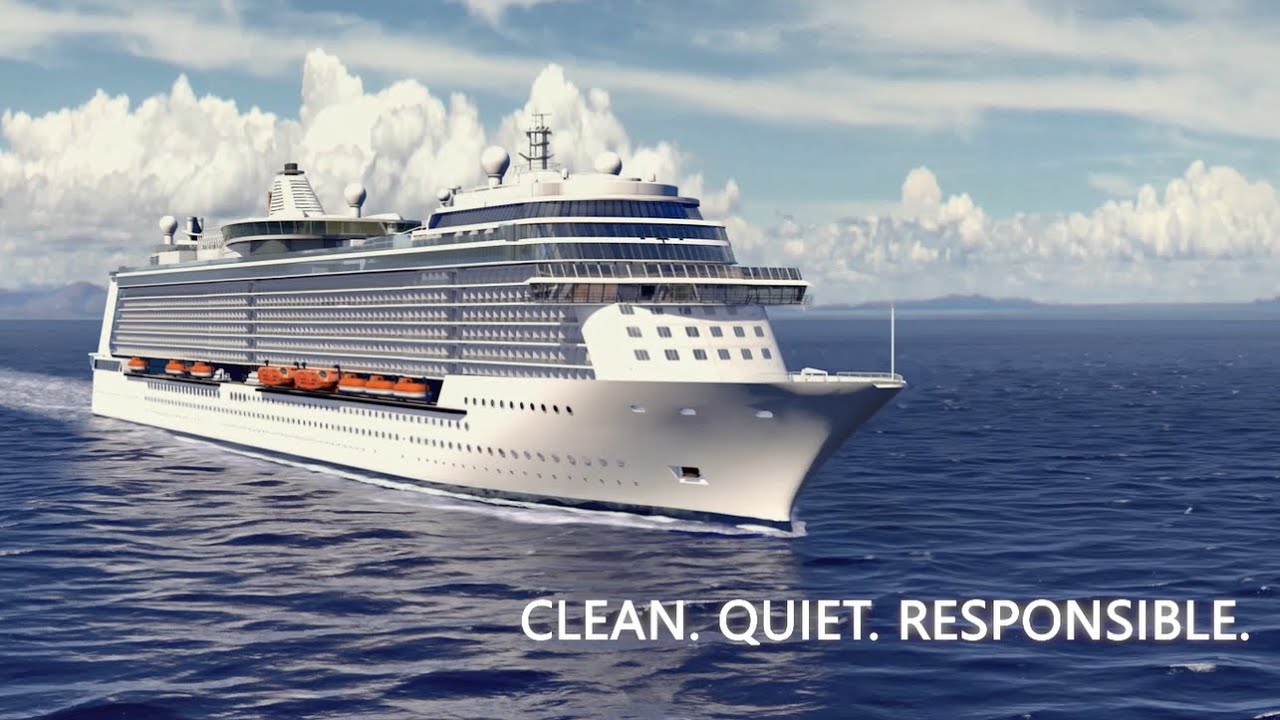
Gas Turbines For Cruise Ships Youtube

Royal Caribbean Ships By Size 2021 With Comparison Chart Royal Caribbean Ships Royal Caribbean Royal Caribbean Cruise Ship

Brilliance Of The Seas Ship Technology

