How Is Norovirus Spread On Cruise Ships
Norovirus On Cruise Ships Clia Uk
Coronavirus On Cruises How Ships Are Handling Mass Onboard Quarantines The Washington Post

How Not To Get Sick On A Cruise Ship

Why Norovirus Crops Up On Cruises The New York Times

Cruise Ship Virus Can Spread On Planes

Cruise Ship Illness Why Are Ships So Prone To Norovirus Outbreaks
It can also be spread by having close contact with a contaminated individual including sharing a bathroom.
How is norovirus spread on cruise ships. Cruise ships host several thousand people for days and weeks on end all sharing facilities eating at the same venues touching surfaces and associating closely with each other. The virus causes your stomach or intestines or both to get inflamed acute gastroenteritis. Control measures include patient isolation hand washing and facility closure.
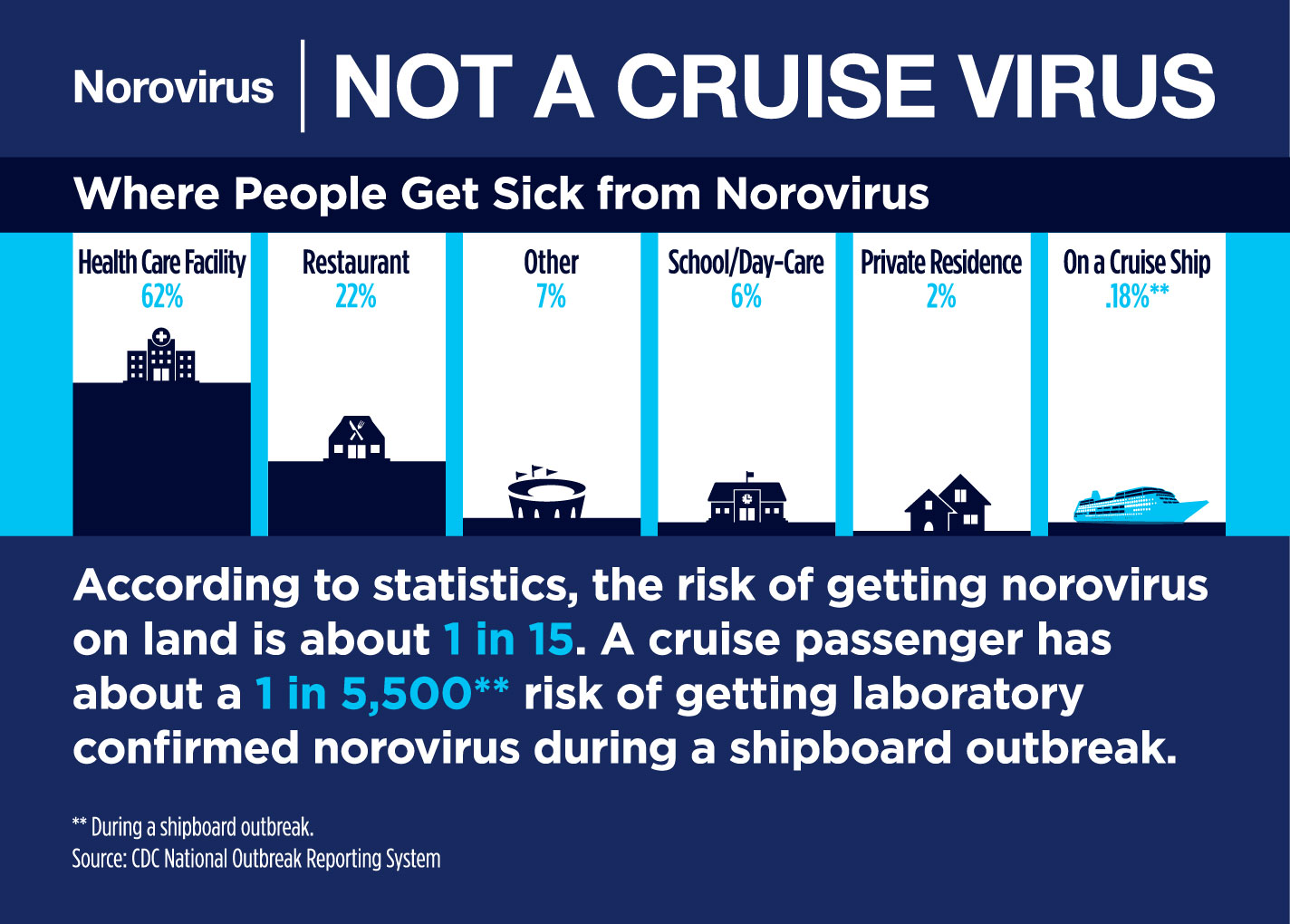
Yes crew members sanitize and clean all public areas but if they knew about the first case their efforts will be doubled and norovirus would not be able to spread. Noro is not a Cruise ship illness. The symptoms seem to suggest norovirus a highly contagious condition that has been responsible for gastrointestinal cruise ship outbreaks in the past.
Although norovirus is not considered fatal the symptoms can extremely unpleasant and disruptive to your trip. The media may make it seem like norovirus and cruise ships go hand-in-hand but far more people are affected by norovirus on land than at sea. Even if a cruise line does everything it can to prevent an outbreak a single passenger could still bring norovirus or another pathogen on to.
This virus can spread quickly and it can cause symptoms such as diarrhea stomach cramping low-grade fever chills headache muscle aches nausea and tiredness. On cruise ships it is believed that the virus is spread through food or liquids that have been contaminated or from touching contaminated surfaces. Though Norovirus can be passed via contaminated food and water when it comes to cruise ships it is typically spread through physical contact with.
Indeed part of the reason we associate cruise ships with norovirus is because each time an outbreak happens ships are obligated to report it and. On a cruise ship norovirus is mainly spread directly from person to person. Norovirus can be contracted from an infected person contaminated food or water or by touching contaminated surfaces.
Little is known about the behaviors and practices of people who have become ill with norovirus GI illness compared to those who remained well during an outbreak. Cases of norovirus on cruise ships are reported more commonly than on land because cruise ship passengers are required to report cases to the ships medical team. GI outbreaks on cruise ships from food and water sources have also been associated with Salmonella spp enterotoxigenic Escherichia coli Shigella spp Clostridium perfringens and Cyclospora.
How To Avoid Norovirus And Other Outbreaks On A Cruise Ship
Coronavirus On Cruises How Ships Are Handling Mass Onboard Quarantines The Washington Post
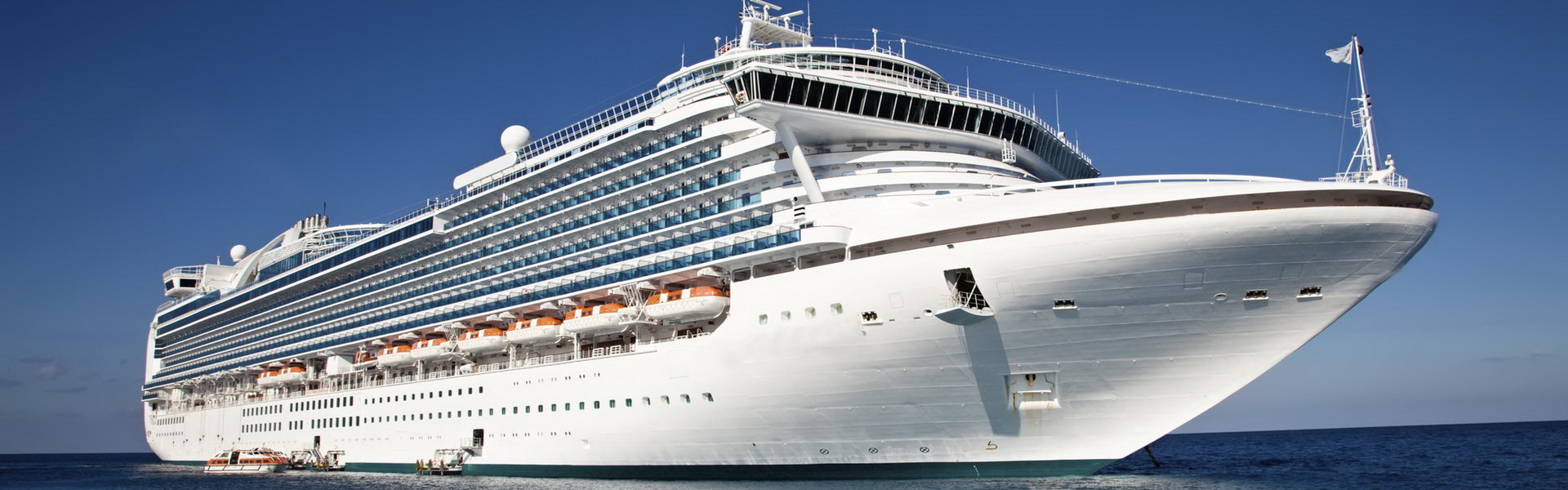
Kills Norovirus On Cruise Ships And In Hospitality Industry
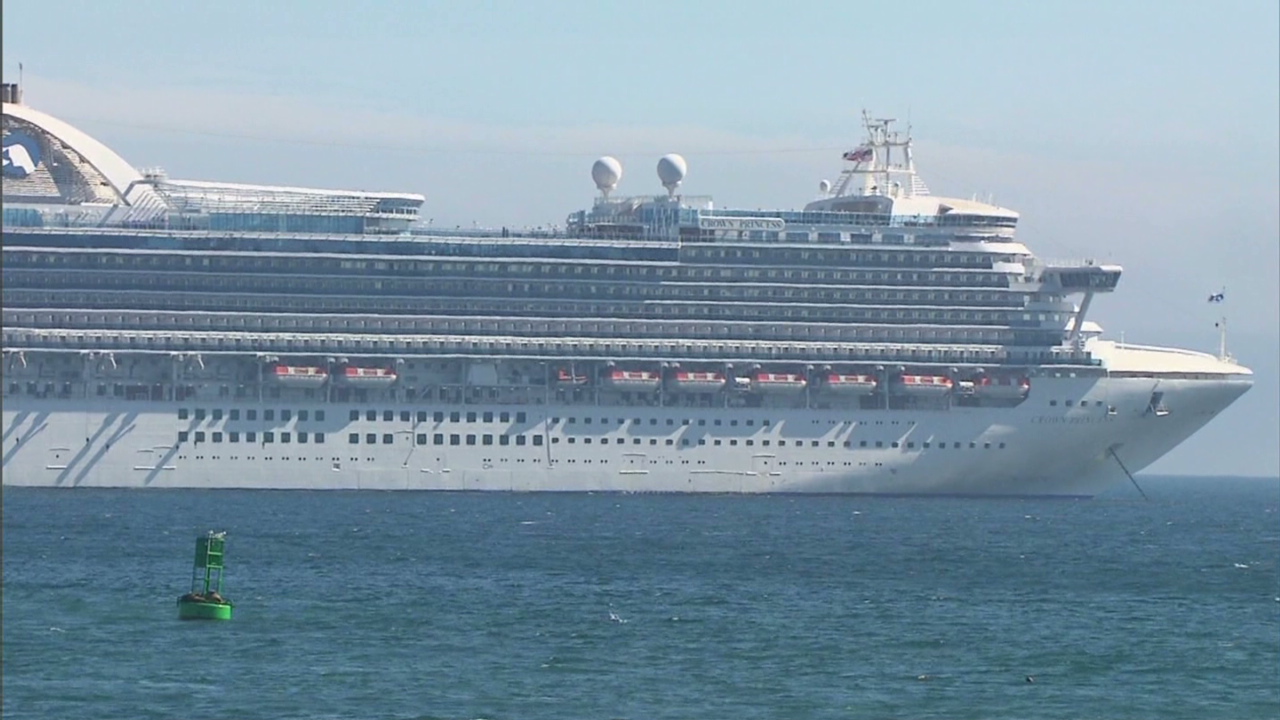
Stomach Illness On Cruise Ship May Be Linked To Norovirus Cnn

Cruise Ship Outbreak Nears 600 Ill With Suspected Norovirus Outbreak News Today

Cruise Virus Outbreak One Of Worst In 20 Years Cdc Says

Riviera News Content Hub The Tools Are There For Cruise Sector To Adapt To Pandemic S New Normal

Experts Cruise Ships No Place For A Coronavirus Quarantine
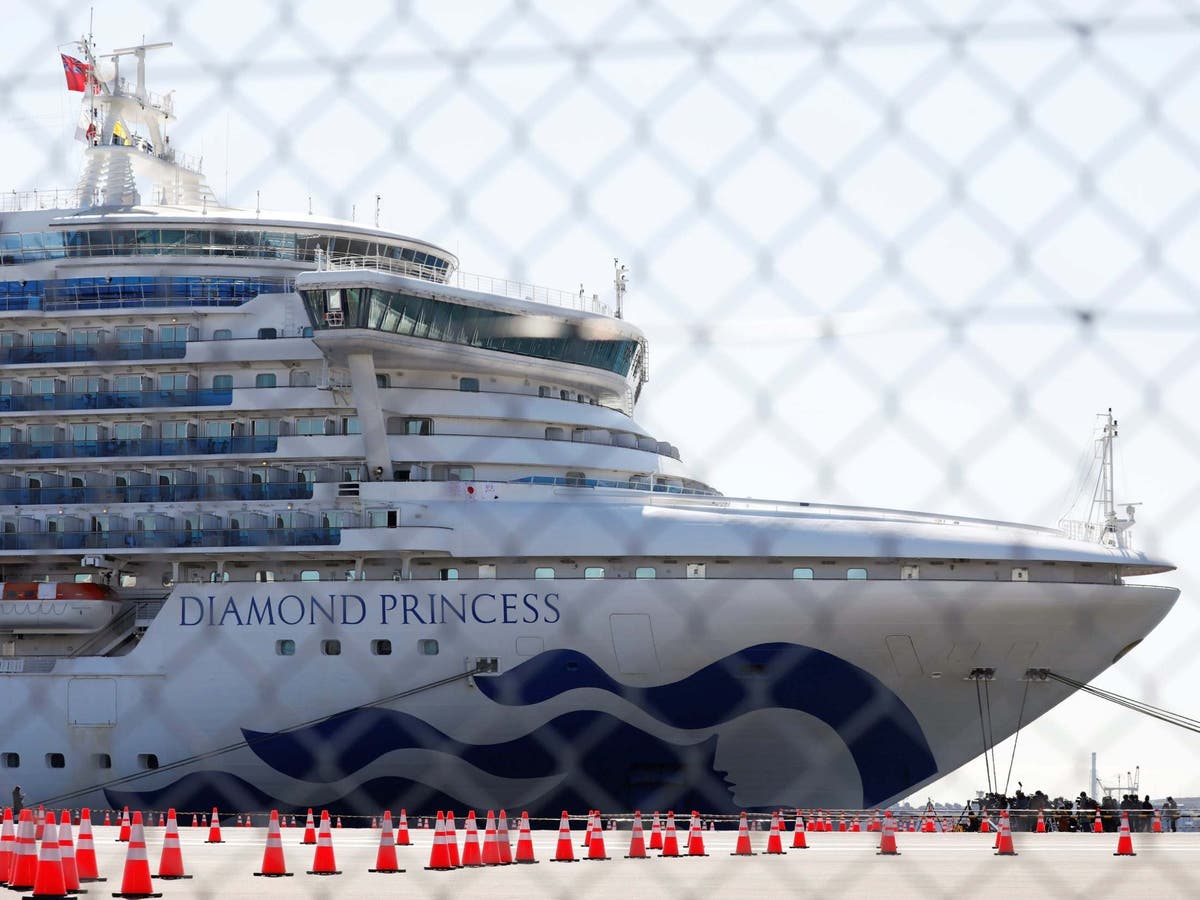
Coronavirus Were Cruise Ships More Prepared Than The Rest Of Us The Independent The Independent

Will Cruise Lines Survive Covid 19 United States Studies Centre
How Cruise Ship Industry Plans To Get Passengers Back On Board After Coronavirus Crisis South China Morning Post

Virus Of The Caribbean Another Cruise Cut Short

Cruise Ship Nightmare After Measles Norovirus Outbreaks Why Does Anyone Still Set Sail
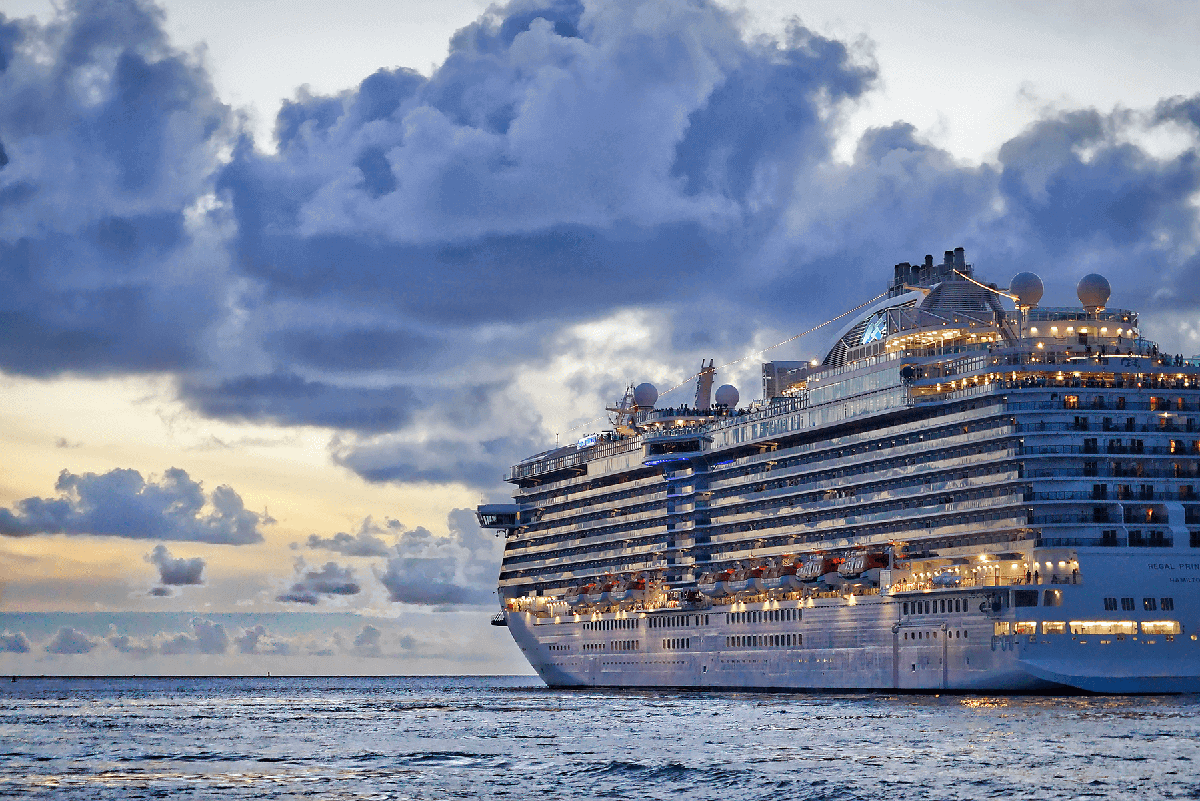
277 Ill After Exposure To Norovirus On Royal Caribbean Cruise

